
Jaw Function + Comfort
Jaw Pain and TMJ Care in Maple Ridge
Jaw pain deserves a diagnosis before a solution.
Jaw discomfort can involve jaw joints, surrounding muscles, teeth or other structures. Because several conditions can produce similar symptoms, care begins by understanding where discomfort occurs and how the jaw is functioning.
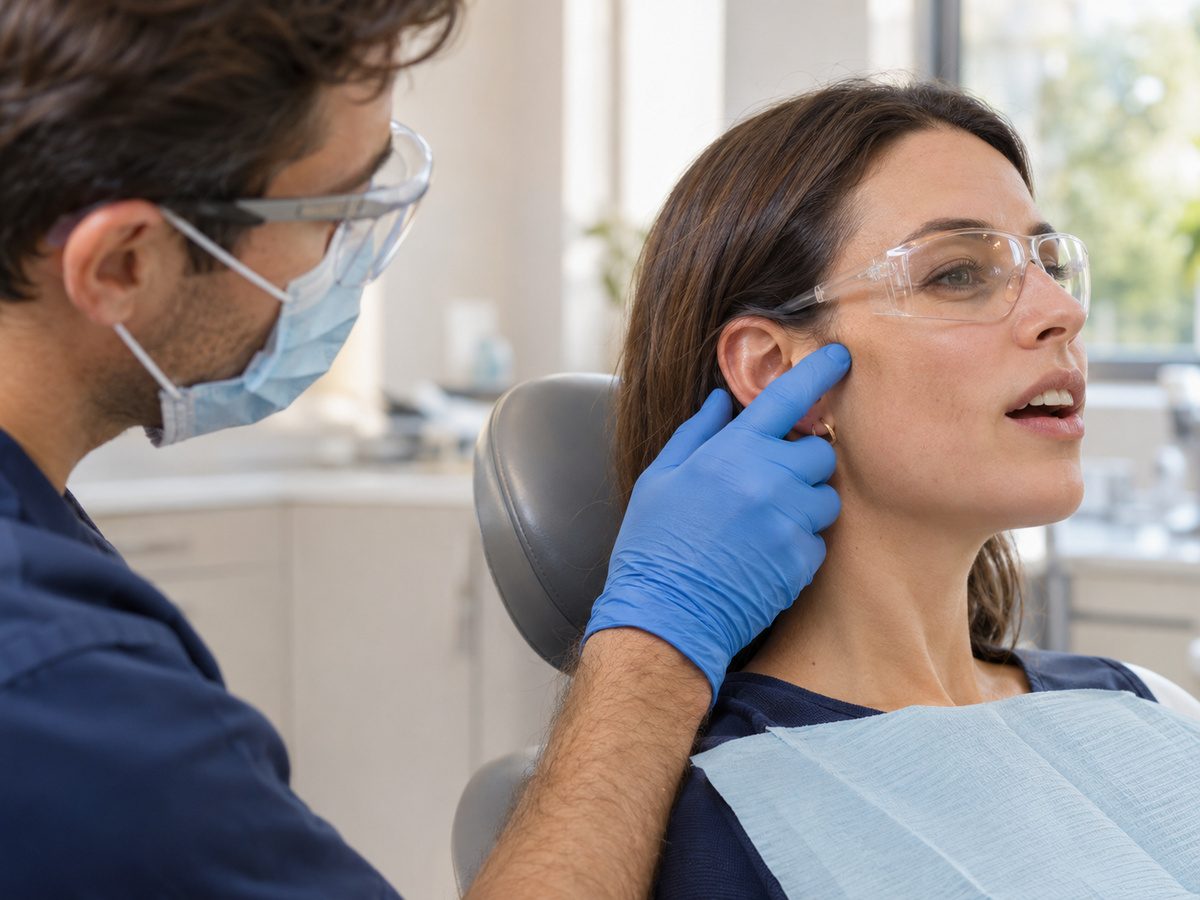
The Jaw System
The jaw is a system, not just a joint.
Temporomandibular joints connect the lower jaw to the skull and work together with muscles, teeth and other structures during speaking, chewing and movement.
Jaw System
Joint
Muscles
Teeth
Bite
Movement
What to Notice
What symptoms are worth discussing?
Jaw Pain
Discomfort in the jaw joint or surrounding area.
Muscle Tenderness
Soreness in the muscles around the jaw.
Clicking or Joint Sounds
Audible sounds during jaw movement.
Difficulty Opening
Restricted jaw opening or movement.
Discomfort While Chewing
Pain or difficulty when eating.
Changes in How the Bite Feels
Alterations in how the teeth contact.
These symptoms can have several causes and do not by themselves establish a TMJ disorder diagnosis.
Assessment
Understanding what may be contributing comes first.
Jaw discomfort can have different causes and sometimes more than one factor may be involved.
Jaw Symptoms
Joint Function
Muscle Activity
Teeth
Bite
Clenching / Grinding History
Other Clinical Factors
The Assessment Process
How jaw concerns are assessed.
Listen
Discuss symptoms and history.
Observe
Consider jaw movement and areas of discomfort.
Examine
Assess relevant dental and oral structures.
Consider
Review possible contributing factors.
Plan
Discuss monitoring, dental care or referral where appropriate.
Diagnose first. Treat second.
Nightguards may be useful in selected circumstances, particularly when tooth wear, grinding or clenching is relevant. They do not treat every cause of jaw pain or every temporomandibular disorder.
Jaw Pain FAQs
Common questions about jaw pain and TMJ.
What is the TMJ?
TMJ refers to the temporomandibular joint connecting the lower jaw to the skull. There are two, one on each side, and they work with muscles and other structures during speaking, chewing and movement.
Does jaw clicking mean something is wrong?
Joint sounds can occur for different reasons and do not by themselves establish a diagnosis. They are worth discussing, particularly when accompanied by pain or limited movement.
Can grinding cause jaw pain?
Clenching or grinding may contribute to muscle or dental symptoms in some patients, but jaw pain can have several causes. Assessment helps identify what may be relevant for you.
Will a nightguard fix TMJ problems?
A nightguard may be considered in selected situations, particularly when tooth wear, grinding or clenching is relevant. It does not treat every cause of jaw pain or every temporomandibular disorder.
Can TMJ symptoms occur with headaches?
Jaw and muscle symptoms can occur alongside headaches, but headaches have many possible causes and should not automatically be attributed to the jaw. A proper assessment helps clarify what may be contributing.
Jaw Assessment
Jaw pain deserves a closer look.
Whether you have clicking, muscle tenderness, difficulty opening or another jaw concern, our team can assess what may be contributing and discuss appropriate next steps.