
Cosmetic Dentistry
Dental Bonding in Maple Ridge
Dental bonding uses tooth coloured composite material to make selected changes to the shape, contour or appearance of a tooth.
It can provide a conservative option for certain cosmetic concerns, but suitability depends on the tooth, bite, existing dental work and the change you would like to make.
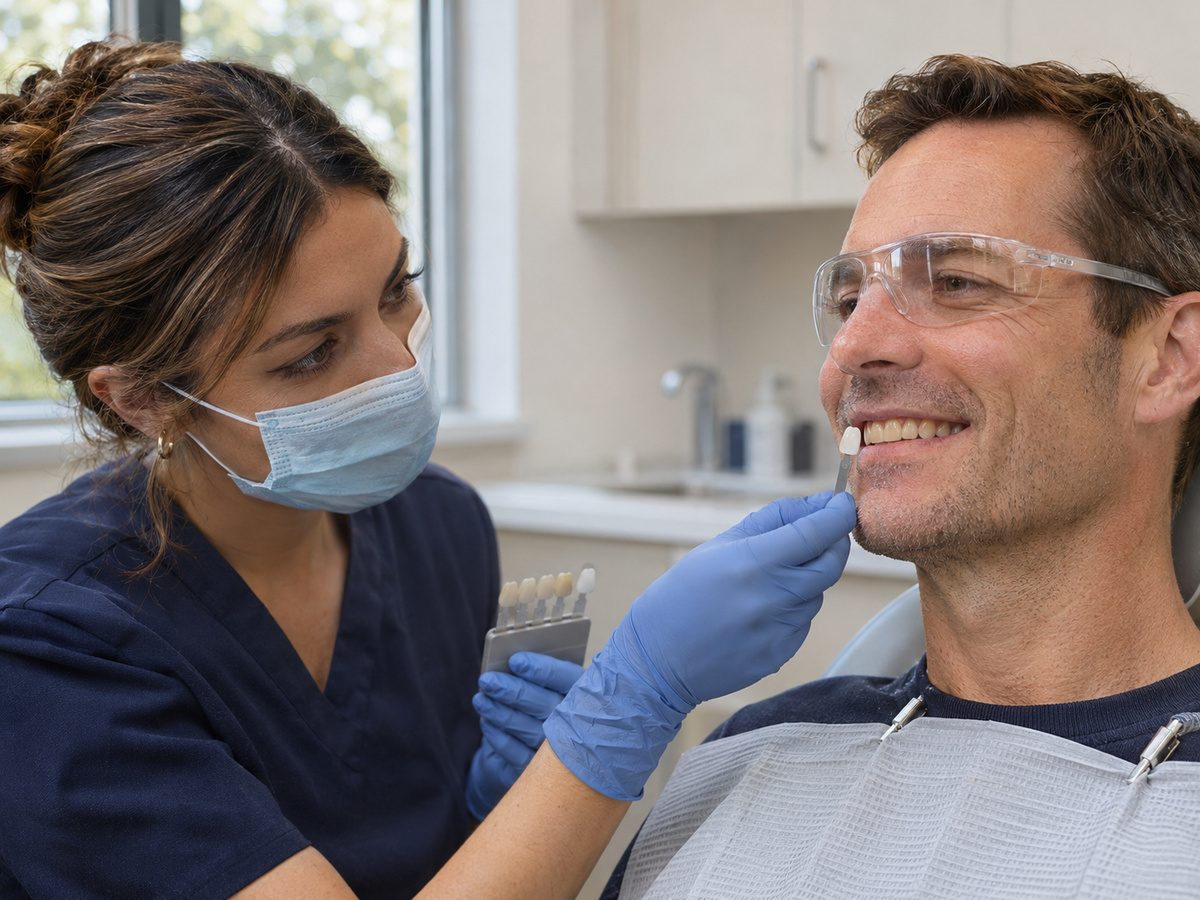
Conservative Cosmetic Changes
Sometimes a subtle adjustment can make a meaningful difference.
Dental bonding involves adding and shaping composite material directly on selected areas of a tooth. It may be considered for small chips, minor shape irregularities, selected spaces or other localized cosmetic changes. Before recommending bonding, your dentist considers the health and structure of the tooth as well as how the area functions within your bite.
Bonding Applications
What might dental bonding address?
Small Chips
Bonding may restore selected minor areas of lost tooth structure.
Tooth Shape
Composite may alter the contour or proportion of a tooth.
Selected Spaces
Bonding may be considered for certain minor spacing concerns.
Cosmetic Irregularities
Localized changes may sometimes be made without covering the whole visible tooth.
The Treatment Process
How dental bonding is planned.
Assess
Review the tooth, bite and cosmetic concern.
Plan
Discuss intended shape and realistic limitations.
Apply
Place composite where appropriate.
Shape
Contour the material.
Finish
Evaluate the restoration within the smile and bite.
Cosmetic Options
Bonding, veneers or Invisalign?
Bonding
Localized shape or contour changes.
Veneers
Selected changes involving more of the visible tooth surface.
Invisalign
Selected concerns involving actual tooth position.
Similar smile concerns can have very different treatment solutions.
Dental Bonding FAQs
Common questions about dental bonding.
What is dental bonding?
Dental bonding involves applying tooth coloured composite material to selected areas of a tooth to alter or restore aspects of shape, contour or appearance.
What can bonding be used for?
It may be considered for selected small chips, shape irregularities, spaces or other localized cosmetic concerns.
Is bonding the same as veneers?
No. Bonding uses composite placed directly on selected tooth surfaces. Veneers cover a larger portion of the visible tooth surface.
Does bonding last forever?
No. Bonding can wear, stain or become damaged over time. Longevity varies according to the restoration, tooth, bite and habits.
Cosmetic Dentistry
Start with the change you want to make.
Whether you have a small chip, minor shape concern or spacing issue you would like to address, our team can assess whether dental bonding may be appropriate for your situation.