
Preventive Dental Care
Dental Checkups in Maple Ridge
Regular dental checkups give your dental team an opportunity to monitor your oral health, identify changes and discuss any concerns before they become more difficult to manage.
At Dentistry Thirty Two, dental exams are designed to be clear, thorough and easy to understand.
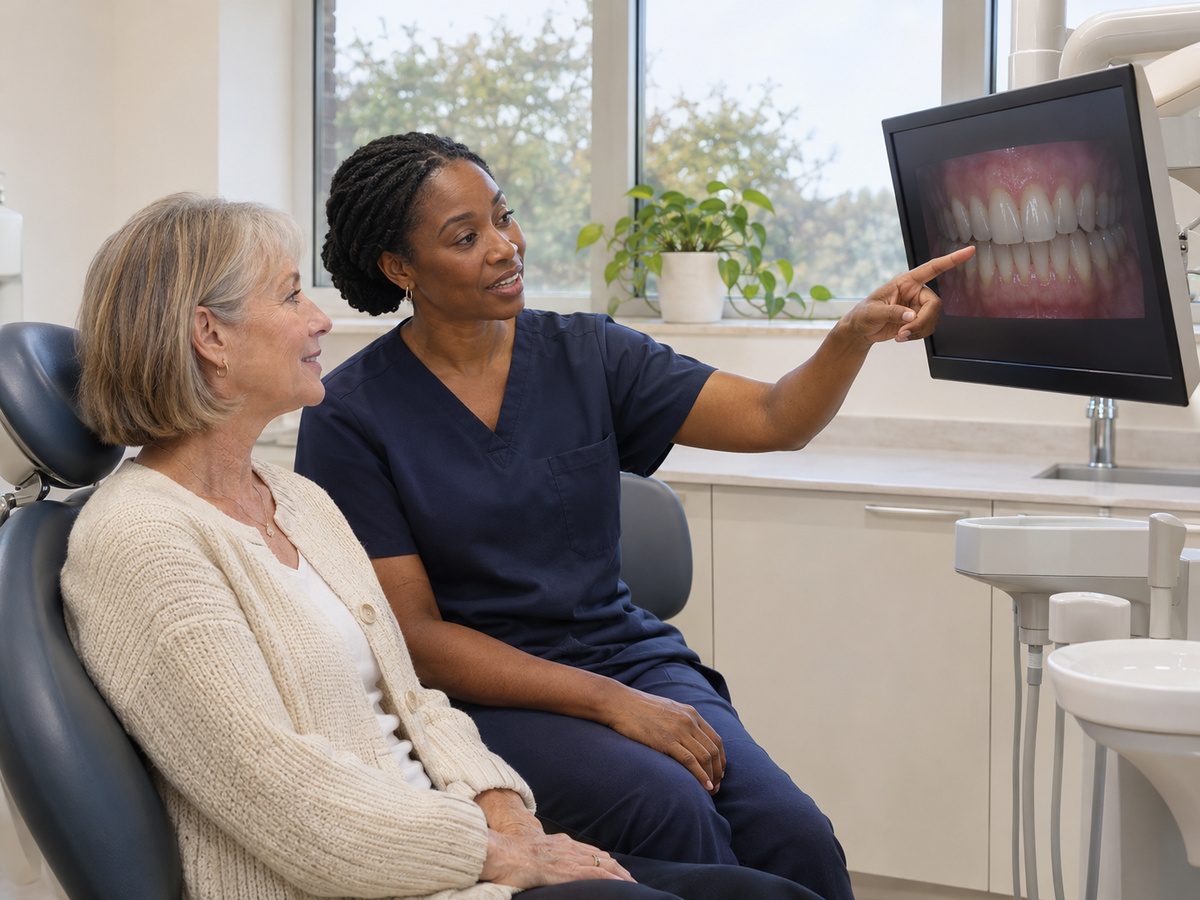
Your Dental Exam
A clearer picture of your oral health.
A dental checkup is more than a quick look at your teeth.
During an exam, your dentist reviews your current oral health, asks about any symptoms or changes you have noticed and assesses areas that may need closer attention.
Depending on your individual needs, the appointment may include an examination of your teeth, gums, bite, existing dental work and other oral structures.
The goal is to understand what is healthy, what has changed and whether any treatment or monitoring may be appropriate.
Teeth
Assess for signs of decay, fractures, wear and changes in existing dental work.
Gums
Review gum health and look for signs of inflammation or periodontal concerns.
Bite
Consider how the teeth come together and whether there are signs of unusual wear or strain.
Oral Tissues
Examine the visible soft tissues of the mouth for changes that may require attention.
What Happens
What may be included in a dental checkup.
The exact components of a dental exam depend on your oral health, history and reason for visiting.
Review
We begin by discussing any concerns, symptoms or changes since your previous visit.
Examination
Your dentist evaluates your teeth, gums, bite and existing restorations.
Imaging
Dental X-rays or other imaging may be recommended when additional information is needed.
Discussion
We explain what we see and answer questions about your oral health.
Planning
If treatment or follow-up is recommended, we discuss the available next steps and how they may fit your needs.
Early Identification
Monitoring change matters.
"Small changes are easier to understand when they are tracked over time."
Many dental problems develop gradually.
Tooth decay, gum inflammation, worn dental work and changes in the bite may not always cause obvious symptoms in their early stages.
Regular dental exams give your dentist an opportunity to compare your oral health over time and identify areas that may benefit from monitoring, preventive care or treatment.
Finding a concern does not always mean immediate treatment is necessary. In some situations, the most appropriate next step may simply be observation and reassessment.
Digital Imaging
More information when it is useful.
A visual examination does not show everything happening beneath or between the teeth.
Dental X-rays may be recommended when your dentist needs additional information about areas that cannot be assessed fully during a visual exam.
Depending on the clinical situation, imaging can help evaluate tooth decay, bone levels, roots, developing teeth and other structures.
Imaging is recommended based on individual need rather than as a one-size-fits-all part of every appointment.
Individualized Care
How often should you have a dental checkup?
"There is no single schedule for everyone."
There is no single exam schedule that is appropriate for every patient.
The timing of dental checkups can depend on factors such as your oral health, gum health, dental history, existing restorations, risk of tooth decay and whether your dentist is monitoring a specific concern.
Some patients may benefit from more frequent exams, while others may be appropriately seen at longer intervals.
Dentistry Thirty Two can recommend a schedule based on your individual oral health rather than a universal timetable.
Checkups and Hygiene
Dental exams and hygiene visits work together.
Dental checkups and dental hygiene appointments serve different but complementary purposes.
A dental exam focuses on assessing your oral health, identifying changes and discussing whether further care may be needed.
A hygiene appointment focuses more closely on professional cleaning, gum health and home care.
Depending on your needs and appointment schedule, these services may occur during the same visit or at different times.
Assessment
Dental Checkup
Assessment
Diagnosis
Monitoring
Treatment planning
Preventive Care
Dental Hygiene
Professional cleaning
Gum health
Plaque and tartar removal
Home care guidance
What We Look For
A dental exam considers the bigger picture.
Tooth Health
Changes involving decay, fractures, wear and existing fillings or restorations.
Gum Health
Signs of inflammation, recession and periodontal concerns.
Function
Changes involving your bite, jaw comfort or unusual patterns of wear.
Existing Dental Work
The condition of fillings, crowns, bridges, implants or other dental restorations.
New Patients
Your first checkup gives us a starting point.
If you are new to Dentistry Thirty Two, your first dental exam gives the team an opportunity to understand your dental history, current oral health and any concerns you would like to discuss.
We want you to leave the appointment understanding what we found and what, if anything, may be worth considering next.
If treatment is recommended, we can explain the options and help you understand the next steps.
History
Tell us what has changed and what matters to you.
Assessment
We review your current oral health.
Discussion
We explain what we see.
Next Steps
You decide how you would like to proceed.
Dental Checkup FAQs
Common questions about dental exams.
What is included in a dental checkup?
A dental checkup typically includes a review of your concerns and dental history along with an examination of your teeth, gums, bite and existing dental work. Additional imaging may be recommended when your dentist needs more information.
Do I need X-rays at every dental checkup?
Not necessarily. The need for dental X-rays depends on factors such as your oral health, age, dental history, symptoms and the information your dentist needs to assess. Imaging should be recommended based on clinical need.
Is a dental checkup the same as a dental cleaning?
No. A dental checkup focuses primarily on assessment and diagnosis, while a hygiene appointment focuses more closely on professional cleaning, gum health and preventive care. The two may be scheduled together depending on your needs.
How often should I have a dental exam?
The appropriate schedule varies between patients. Your dentist can recommend an interval based on your oral health, dental history and individual risk factors.
What happens if my dentist finds a problem?
Your dentist will explain what they have identified, whether treatment may be recommended and what options are available. In some cases, monitoring may be appropriate rather than immediate treatment.
Should I book a checkup if nothing hurts?
Yes, depending on your recommended schedule. Some dental concerns do not cause pain in their early stages, which is one reason routine assessment can be useful.
Your Next Checkup
Stay informed about your oral health.
Whether you are due for a routine exam, have noticed a change or simply want a clearer understanding of your dental health, our team is here to help.