
Restorative Dentistry
Dental Fillings in Maple Ridge
Dental fillings are used to repair areas of a tooth that have been affected by decay, minor fractures or other limited damage.
At Dentistry Thirty Two, treatment begins with understanding how much tooth structure is affected and selecting an appropriate restorative approach for the individual tooth.
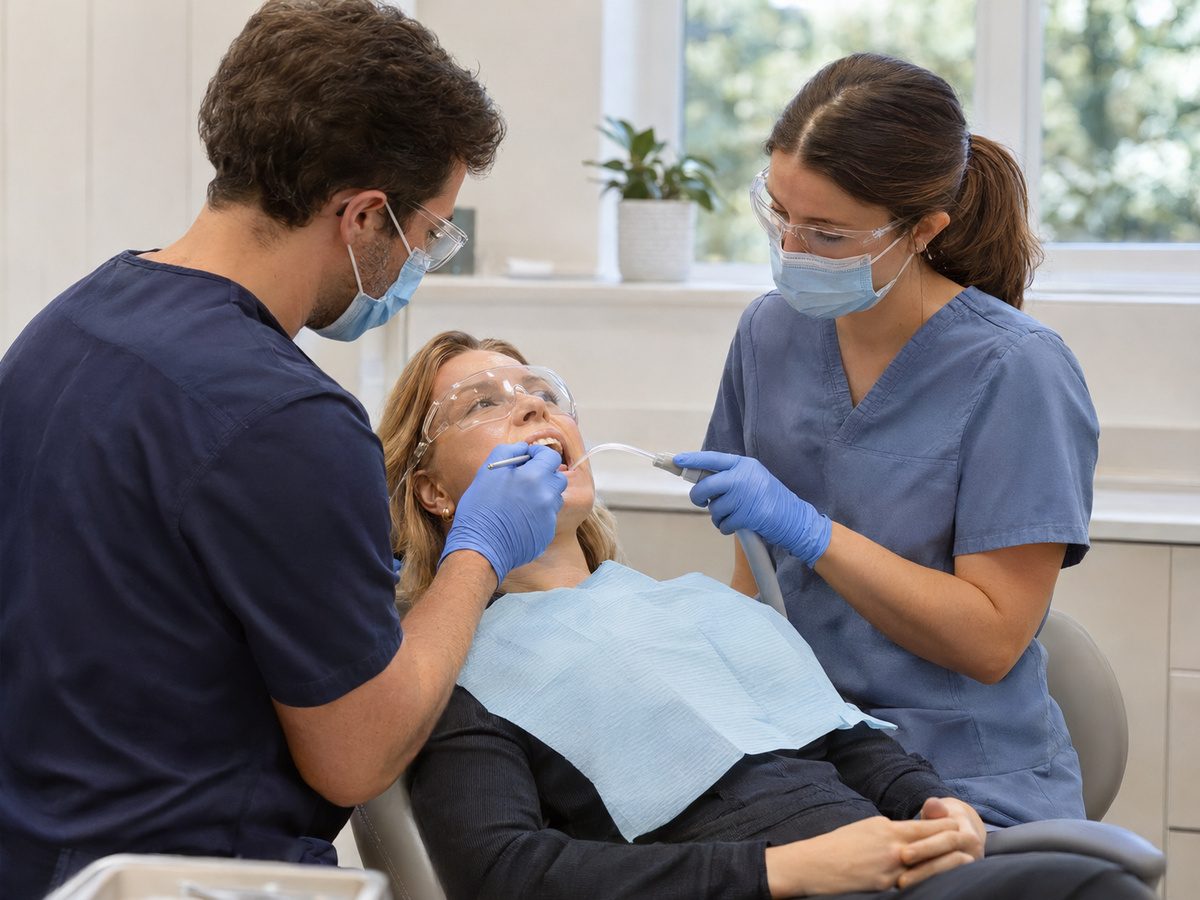
Restoring a Tooth
Repair what is damaged. Preserve what is healthy.
When tooth decay or minor damage affects part of a tooth, a filling can be used to replace the compromised area and restore the tooth’s shape and function.
The amount of treatment required depends on where the damage is located, how far it extends and the condition of the remaining tooth structure.
Where a filling is appropriate, the goal is to remove compromised tissue while preserving as much healthy tooth structure as reasonably possible.
Four Steps
Assess
Understand the extent of the damage.
Preserve
Retain healthy tooth structure where possible.
Restore
Rebuild the affected area with an appropriate restorative material.
Review
Check the bite, shape and final restoration.
When Fillings May Be Considered
Not every damaged tooth needs the same solution.
Tooth Decay
A filling may be appropriate when decay has damaged a limited area of the tooth.
Small Fractures
Minor chips or fractures may sometimes be restored with a direct filling material.
Worn Restorations
Existing fillings may eventually require repair or replacement if they become damaged or no longer function appropriately.
Localized Tooth Damage
Selected areas of wear or structural loss may sometimes be restored depending on the remaining tooth.
The Treatment Process
What happens during a dental filling?
Assess
Your dentist examines the tooth and may recommend imaging when more information is needed.
Prepare
The compromised portion of the tooth is removed and the area is prepared for restoration.
Restore
An appropriate restorative material is placed and shaped to rebuild the affected part of the tooth.
Check
The restoration and bite are checked and adjusted where necessary.
How We Decide
A filling is one option, not the answer for every tooth.
“The right restoration depends on how much healthy tooth remains.”
Dental fillings work best when enough healthy tooth structure remains to support a direct restoration.
If a tooth has lost a larger amount of structure, has a significant fracture or has other underlying concerns, a different treatment may be more appropriate.
Depending on the situation, your dentist may discuss alternatives such as a dental crown, root canal treatment or another restorative approach.
The recommendation should reflect the condition of the tooth rather than simply choosing the smallest or largest treatment.
What You May Notice
Cavities do not always hurt.
Tooth decay can sometimes develop without obvious symptoms.
As a problem progresses, some patients may notice sensitivity, discomfort when biting, food catching around a tooth or visible changes in the tooth surface.
These symptoms can also have other causes, so an examination is needed to understand what is happening.
Routine dental checkups can help identify changes that may not yet be causing discomfort.
Sensitivity
Some patients notice sensitivity as a problem progresses, though this can have other causes as well.
Biting Discomfort
Discomfort when biting on a particular tooth may develop and is worth having assessed.
Food Trapping
Food catching repeatedly around a tooth can be a sign that the tooth surface has changed.
Visible Changes
Visible changes in the tooth surface, such as a dark spot or chip, may be noticed between visits.
Comfort and Communication
Knowing what is happening can make treatment easier.
Before treatment begins, your dentist can explain what has been identified, why a filling may be recommended and what the appointment is expected to involve.
Local anaesthetic may be used where appropriate to help manage discomfort during treatment.
If you feel anxious or uncomfortable, let the team know. Questions, pauses and clear communication are part of the appointment.
During Your Appointment
Understand
Know why treatment is being recommended.
Communicate
Tell us how you are feeling.
Pause
Ask for a break when needed.
Proceed
Move through treatment with clear expectations.
After Your Filling
What happens after treatment?
It is common for the mouth to remain numb for a period of time if local anaesthetic was used.
Some teeth may feel temporarily different or mildly sensitive after restorative treatment. This often settles, but the experience varies between patients and restorations.
If your bite feels noticeably uneven, discomfort is increasing or something about the restored tooth concerns you, contact the clinic for guidance.
Immediately After
It is common for the mouth to remain numb for a period of time if local anaesthetic was used.
Over the Next Few Days
Some teeth may feel temporarily different or mildly sensitive after restorative treatment. This often settles, but the experience varies between patients and restorations.
If Something Feels Wrong
If your bite feels noticeably uneven, discomfort is increasing or something about the restored tooth concerns you, contact the clinic for guidance.
Looking After Restored Teeth
A filling still needs everyday care.
A restored tooth can still develop decay around other surfaces or near the edges of an existing restoration.
Consistent brushing, interdental cleaning and regular dental assessment remain important after a filling is placed.
Dental restorations can also wear or become damaged over time, which is why existing fillings are reviewed during routine dental exams.
Brush
Consistent brushing helps clean the tooth surfaces and around existing restorations.
Clean Between Teeth
Interdental cleaning addresses areas a toothbrush may not reach effectively.
Attend Recommended Exams
Routine dental assessment helps monitor existing restorations and identify new changes.
Mention Changes
Tell your dental team about sensitivity, a damaged filling or anything that feels different.
Fillings and Other Restorations
How does a filling compare with a crown?
Dental Filling
May Be Appropriate When
A limited portion of the tooth requires restoration.
Approach
Restores the affected area directly.
Goal
Repair localized damage while preserving remaining tooth structure.
Dental Crown
May Be Considered When
A tooth requires more extensive coverage or protection.
Approach
Covers a larger portion of the tooth.
Goal
Restore and protect a tooth with more significant structural loss.
Dental Filling FAQs
Common questions about fillings.
How do I know if I need a dental filling?
A dental examination is needed to determine whether a tooth requires treatment and whether a filling is the appropriate option. Your dentist considers the extent and location of the damage along with the condition of the remaining tooth.
Does getting a filling hurt?
Local anaesthetic may be used where appropriate to help manage discomfort during treatment. How an appointment feels varies between patients and the location and extent of treatment.
How long does a dental filling last?
The lifespan of a restoration varies according to factors such as its size, location, biting forces, oral hygiene, the condition of the tooth and the restorative material used. Fillings should be monitored during routine dental exams.
Can a filling fix a broken tooth?
Some small fractures may be suitable for direct restoration. More extensive damage may require a different approach such as a crown or another restorative treatment.
Why is my tooth sensitive after a filling?
Temporary sensitivity can occur following restorative treatment. If sensitivity is significant, worsening or persistent, contact the clinic so the tooth can be reassessed.
Can decay develop around an existing filling?
Yes. Tooth structure around a restoration can still develop decay, which is why home care and regular dental assessment remain important.
What happens if a cavity is too large for a filling?
When there is not enough healthy tooth structure to predictably support a filling, your dentist may discuss another restorative option depending on the condition of the tooth.
Restore Your Tooth
Start by understanding what the tooth needs.
Whether you have noticed sensitivity, a damaged filling, a chipped tooth or something your dentist identified during an exam, we can assess the tooth and explain the restorative options that may be appropriate.