
Oral Surgery
Wisdom Teeth Removal in Maple Ridge
Wisdom teeth do not automatically need to be removed.
Assessment can help determine their position, development and whether they are contributing to symptoms or other dental concerns.
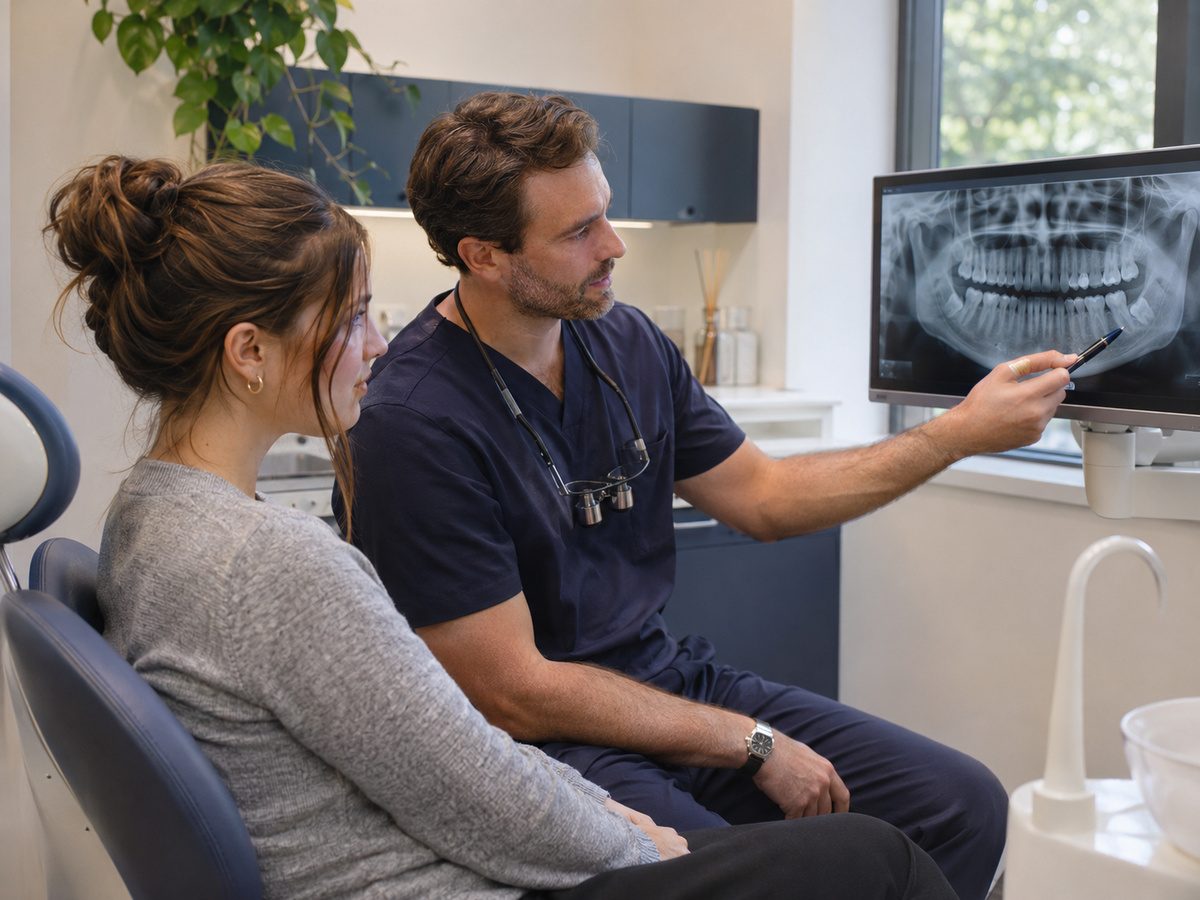
Wisdom Teeth Assessment
Not every wisdom tooth is a problem.
Wisdom teeth are the last permanent teeth to develop toward the back of the mouth.
Some erupt and function without significant concern. Others may remain partially erupted, become difficult to clean or develop in positions that require closer assessment.
The decision to monitor or remove a wisdom tooth should be based on individual clinical findings.
When Removal May Be Considered
Why might removal be considered?
Pain or Recurrent Symptoms
Ongoing discomfort or recurring symptoms.
Difficulty Cleaning
Position that makes cleaning difficult.
Decay
Decay affecting the wisdom tooth or adjacent teeth.
Gum Inflammation
Inflammation around the wisdom tooth.
Position or Impaction
Position that requires assessment or treatment.
Effects on Nearby Structures
Impact on neighbouring teeth or tissues.
“An impacted or awkwardly positioned wisdom tooth does not automatically mean it must be removed — assessment comes first.”
The Assessment Process
How wisdom teeth are assessed.
Review
Discuss symptoms and dental history.
Examine
Assess the surrounding teeth and tissues.
Image
Dental imaging may be recommended to understand position and surrounding structures.
Decide
Discuss monitoring, removal or another appropriate next step.
Treatment Planning
What happens if removal is recommended?
The approach depends on the position and development of the wisdom tooth and surrounding anatomy.
Your dentist can explain what is involved, how discomfort may be managed and what to expect during recovery.
Some situations may require referral to another dental professional depending on complexity and clinical considerations.
“The right plan depends on the tooth, the anatomy and what you are comfortable with — not a one-size-fits-all rule.”
Recovery and Aftercare
Recovery starts with protecting the healing area.
Follow Instructions
Adhere to post-treatment guidance.
Protect the Blood Clot
Avoid actions that may disturb healing.
Keep the Area Appropriately Clean
Follow cleaning instructions provided.
Contact the Clinic if Something Concerns You
Reach out if symptoms develop.
Wisdom Teeth FAQs
Common questions about wisdom teeth.
Does everyone need wisdom teeth removed?
No. Wisdom teeth should be assessed individually. Some may remain healthy and functional without requiring removal.
What does impacted mean?
An impacted wisdom tooth has not fully erupted into its expected position. The position and surrounding anatomy help determine whether treatment is necessary.
How do you know whether wisdom teeth need removal?
Assessment may include symptoms, examination and dental imaging where appropriate.
Is wisdom tooth removal painful?
Local anaesthetic and other clinically appropriate approaches may be used to manage discomfort. Experiences vary.
How long does recovery take?
Recovery varies between patients and procedures. Follow the instructions provided and contact the clinic if symptoms concern you.
What if my wisdom teeth do not hurt?
Lack of pain alone does not determine whether treatment is necessary. Some wisdom teeth can be monitored when healthy and not causing other concerns.
Wisdom Tooth Assessment
Find out whether your wisdom teeth need treatment or simply monitoring.
Whether your wisdom teeth are causing symptoms, you are concerned about their position or you simply want to understand their status, our team can assess them and explain whether monitoring or treatment may be appropriate.