
Preventive Dental Care
Oral Cancer Screening in Maple Ridge
Oral cancer screening is a routine part of comprehensive dental care and involves examining the tissues of the mouth for changes that may require further attention.
At Dentistry Thirty Two, oral tissue assessment is approached carefully, respectfully and as part of a broader understanding of your oral health.
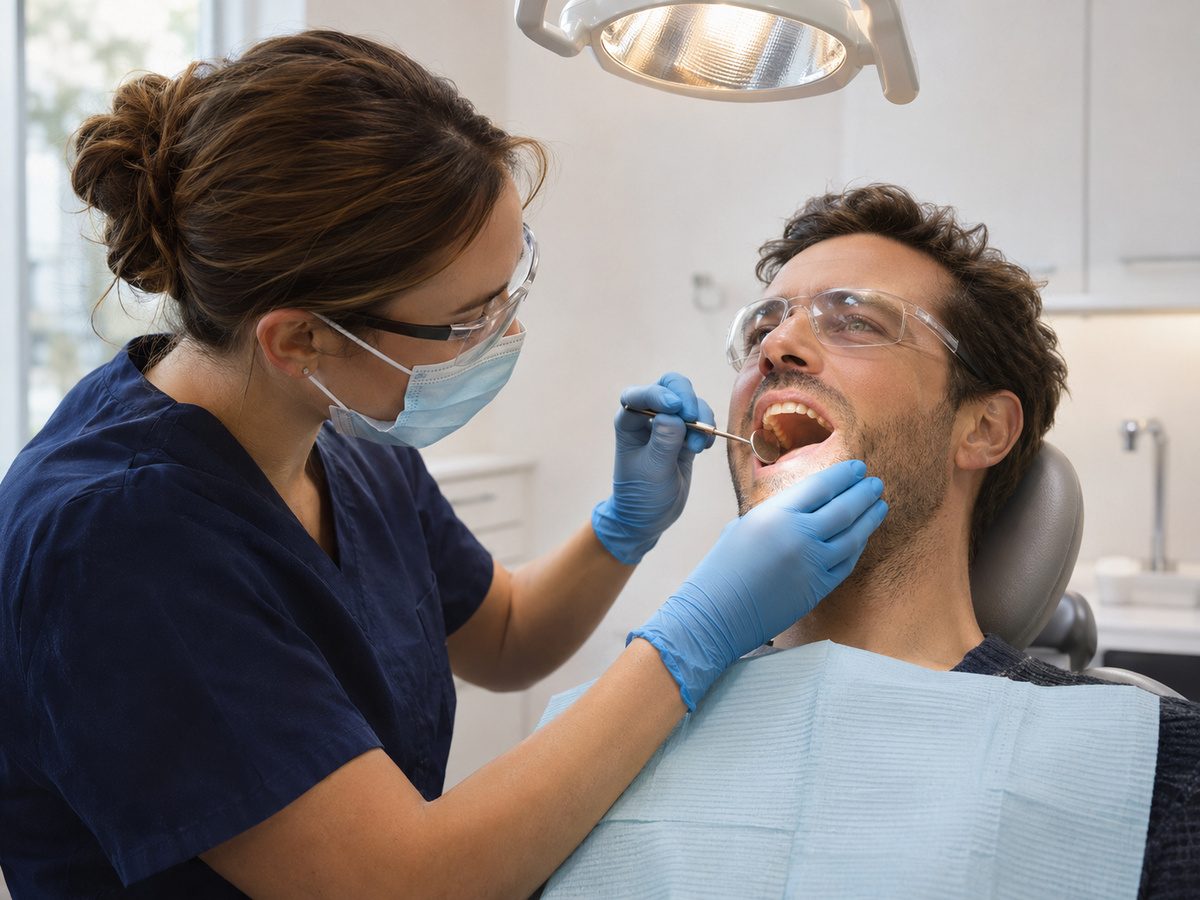
What We Examine
A careful look at the tissues of the mouth.
An oral cancer screening involves examining the visible tissues inside and around the mouth for changes that may be unusual or worth monitoring.
Your dentist may assess areas such as the lips, cheeks, tongue, floor of the mouth, roof of the mouth, gums and throat.
The examination is typically quick and noninvasive. It may involve both visual assessment and gentle palpation of certain areas.
The goal is not to diagnose oral cancer during a routine dental visit, but to identify changes that may need further evaluation.
Areas We May Assess
Lips
Tongue
Cheeks
Gums
Floor of the Mouth
Roof of the Mouth
Throat and Nearby Tissues
What We Look For
Changes that deserve a closer look.
Many changes in the mouth are harmless, but certain findings may benefit from monitoring or additional assessment.
Persistent Sores
Areas that do not appear to be healing normally may warrant further evaluation.
Unusual Patches
White, red or otherwise unusual areas of tissue may be assessed more closely.
Lumps or Thickened Areas
Changes in the texture or contour of oral tissues may need attention.
Unexplained Bleeding or Tenderness
Persistent symptoms without an obvious cause may require further investigation.
Changes in Function
Difficulty swallowing, persistent hoarseness or other ongoing changes may be relevant to discuss with a healthcare professional.
Why Screening Matters
Changes are easier to evaluate when they are noticed.
“Screening is about noticing change, understanding context and knowing when further evaluation may be helpful.”
Oral tissues can change for many reasons, including irritation, infection, trauma and other health conditions.
Routine dental visits create opportunities to observe these tissues over time and identify changes that may not be causing pain or other obvious symptoms.
If your dentist notices something unusual, the next step may be monitoring the area, reassessing it at a later date or recommending further evaluation by another healthcare professional.
Screening is about awareness and appropriate follow up, not creating unnecessary concern.
What Happens During Screening
Simple. Respectful. Noninvasive.
Review
We ask about any symptoms, concerns or changes you have noticed.
Examine
Your dentist visually assesses the tissues inside and around the mouth.
Palpate
Where appropriate, your dentist may gently feel certain areas for changes in texture or contour.
Discuss
If anything requires monitoring or further assessment, we explain what we found and what the next step may involve.
Risk and Context
Screening is one part of understanding your health.
Oral cancer can affect people with different backgrounds and health histories.
Certain factors may be associated with increased risk, including tobacco use, heavy alcohol use, increasing age and some viral infections.
Not everyone with a risk factor will develop oral cancer, and some people diagnosed with oral cancer may not have obvious risk factors.
This is why routine assessment and attention to persistent changes can be valuable.
Tobacco Exposure
Tobacco use is among the factors associated with increased risk of changes in oral tissues.
Alcohol Use
Heavy alcohol use is another factor that may be associated with increased risk.
Age and Health History
Increasing age and certain health histories may also be relevant to overall risk context.
Persistent Oral Changes
Ongoing changes in the mouth that do not resolve as expected may warrant attention regardless of other factors.
When to Seek Assessment
Do not ignore persistent changes.
“Persistent does not mean serious. It does mean worth checking.”
If you notice a sore, lump, patch, area of discomfort or other change in your mouth that does not resolve as expected, it is reasonable to have it assessed.
You should also seek professional advice for persistent difficulty swallowing, unexplained bleeding, changes in voice or other ongoing symptoms involving the mouth or throat.
These symptoms do not necessarily indicate cancer, but they deserve appropriate evaluation.
Dental Exams
Oral tissue screening can be part of routine care.
An oral cancer screening may be performed as part of a comprehensive dental exam.
Because your dentist already evaluates your teeth, gums and other oral structures, reviewing the soft tissues of the mouth fits naturally into a broader assessment of oral health.
The exact approach depends on your individual circumstances and any symptoms or concerns you may have.
Comprehensive Exam
Dental Exam
Focus
Teeth
Gums
Bite
Existing dental work
Soft Tissue Review
Oral Tissue Screening
Focus
Lips
Tongue
Cheeks
Gums
Other visible oral tissues
Oral Cancer Screening FAQs
Common questions about oral cancer screening.
Does oral cancer screening hurt?
Routine oral cancer screening is generally noninvasive and may involve visual examination and gentle palpation of certain areas. If you have tenderness or another concern, let your dentist know.
How long does an oral cancer screening take?
The screening itself is usually brief and may be completed as part of a broader dental examination.
Can a dentist diagnose oral cancer?
A dentist can identify changes that may require further evaluation, but a definitive diagnosis typically requires additional assessment and may involve referral, testing or biopsy by an appropriate healthcare professional.
What happens if something unusual is found?
Depending on the finding, your dentist may recommend monitoring the area, reassessing it after a period of time or referring you for additional evaluation.
Should I be screened even if I do not use tobacco?
Yes. Oral cancer can occur in people with and without traditional risk factors. Screening decisions are based on your overall health, oral findings and clinical context.
What symptoms should I mention to my dentist?
Tell your dentist about persistent sores, unusual patches, lumps, unexplained bleeding, ongoing discomfort, swallowing changes or other oral or throat symptoms that do not resolve as expected.
Your Oral Health
If something has changed, let’s take a closer look.
Whether you are due for a routine dental exam or have noticed a change in your mouth, our team can help assess the area and explain whether further evaluation may be appropriate.