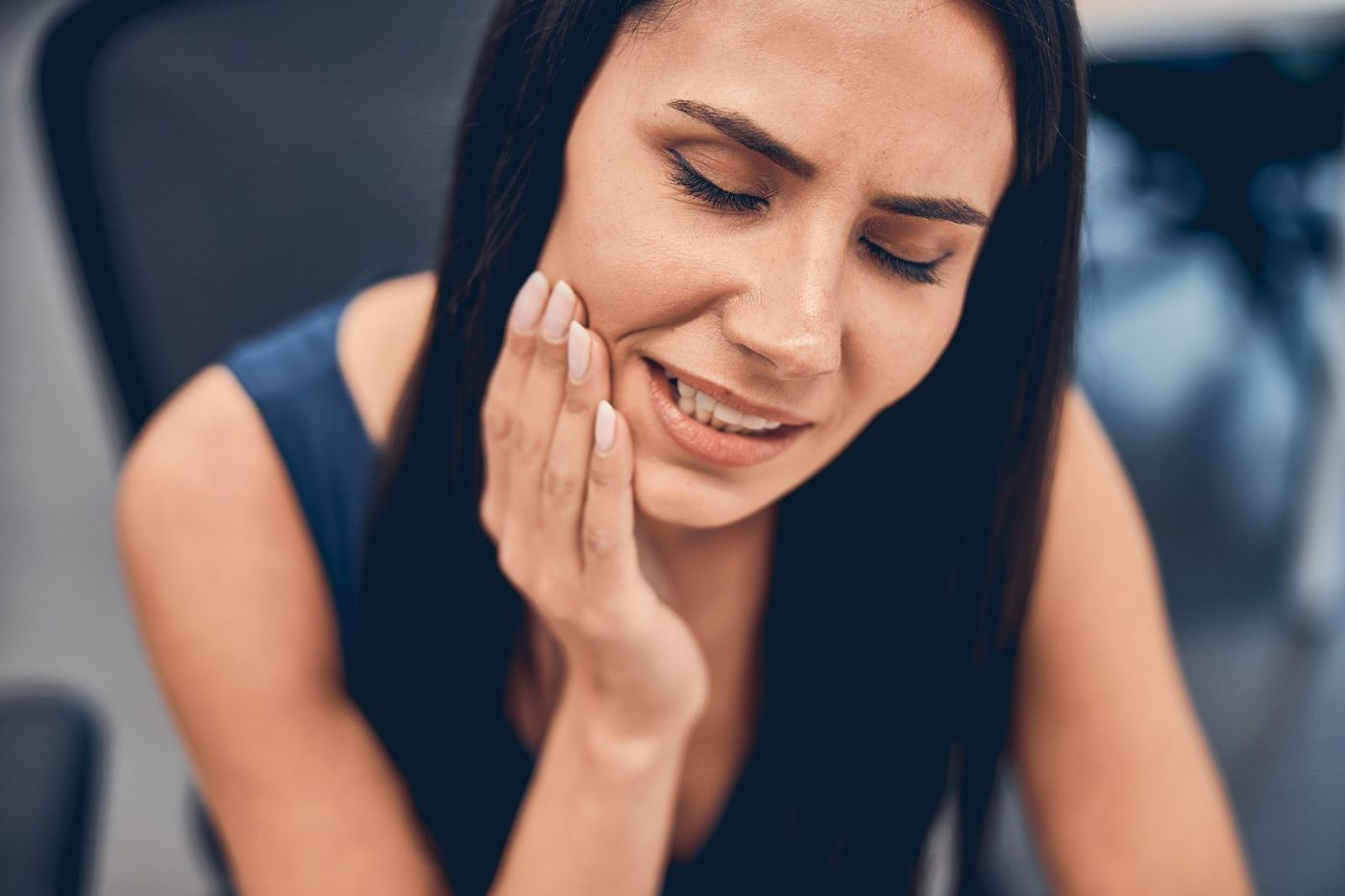
Tooth sensitivity — a sharp, brief pain triggered by cold drinks, ice cream, hot coffee or sweet foods — is one of the most common dental complaints. It is also one of the most misunderstood. Sensitivity is a symptom, not a diagnosis, and what resolves it depends entirely on what is causing it.
What causes tooth sensitivity
Enamel is the hard outer layer of the tooth. Underneath it is dentine — a material containing thousands of microscopic fluid-filled tubules that connect to the tooth's nerve. When dentine is exposed (because the enamel has worn away or gum recession has exposed root surface), fluid movement inside those tubules in response to temperature or sweet foods triggers the nerve and causes the characteristic sharp pain.
Common causes of dentine exposure include: acid erosion from frequent consumption of acidic drinks or acid reflux, brushing too hard or with a hard-bristled brush (which wears enamel and causes gum recession), gum recession from periodontal disease, cracked teeth, and cavities.
When sensitivity signals something else
Not all dental pain is sensitivity. Pain that lingers after the stimulus is removed — particularly lingering cold sensitivity — can indicate nerve involvement. Pain that is deep, throbbing or constant suggests a different problem entirely, as does pain localized to a single tooth that is worsening over time.
If your sensitivity is new, worsening, localized to one tooth, or accompanied by visible changes (darkening, a crack, swelling), book an assessment rather than treating it at home.

What actually helps
Desensitizing toothpastes (containing potassium nitrate or stannous fluoride) work by blocking tubular fluid movement over time — they must be used consistently for several weeks to produce an effect. Using them as a treatment paste (applied and left on the teeth rather than rinsed) increases effectiveness.
Fluoride is another effective treatment — both professional application in clinic and regular use of fluoride toothpaste help remineralize exposed dentine.
For sensitivity caused by acid erosion: reducing acidic drink frequency, using a straw, and rinsing with water after acidic foods or drinks reduces ongoing erosion.
For sensitivity caused by gum recession or enamel loss that is structural, your dentist may recommend a bonded restoration, a gum graft to cover exposed root, or a review of your nightguard situation if bruxism is involved.
Sensitivity that has been present for more than a week or two without a clear cause warrants a dental assessment. At Dentistry Thirty Two we identify the underlying reason before recommending treatment — resolving the cause, not just masking the symptom. Call 604.380.3200 to book.
Dentistry Thirty Two serves patients from Maple Ridge, Pitt Meadows, Mission, Port Coquitlam, Port Moody, Langley and the surrounding Fraser Valley.