Sleep disorders can be associated with sleep apnea, including snoring and insomnia. Although sleep apnea may prevent you and your partner from getting a good night's rest, it can also cause oral health issues. Below, the connection between sleep apnea and oral health is highlighted.
What Is Sleep Apnea?
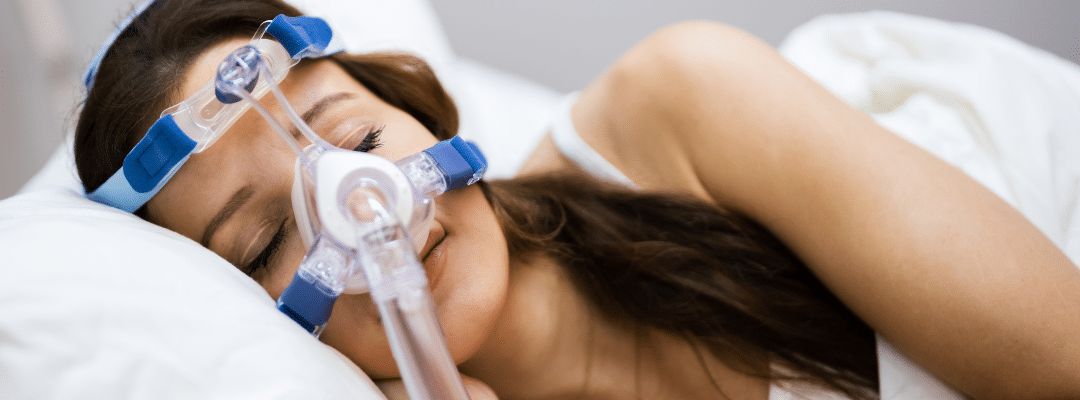
Sleep apnea is a common sleeping disorder where recurring breathing interruptions occur. As a result, the soft tissues in the airway can collapse, this is called obstructive sleep apnea, and it can be caused by a large tongue, obesity, or other risk factors.
Due to the lack of oxygen that reaches the lungs, sleep apnea can cause a person to have a disruptive sleep cycle. Without proper rest, they can experience fatigue, daytime weakness, poor mental health, and other health conditions. Therefore, sleep apnea should be treated immediately as it can cause high blood pressure and other health-related issues.
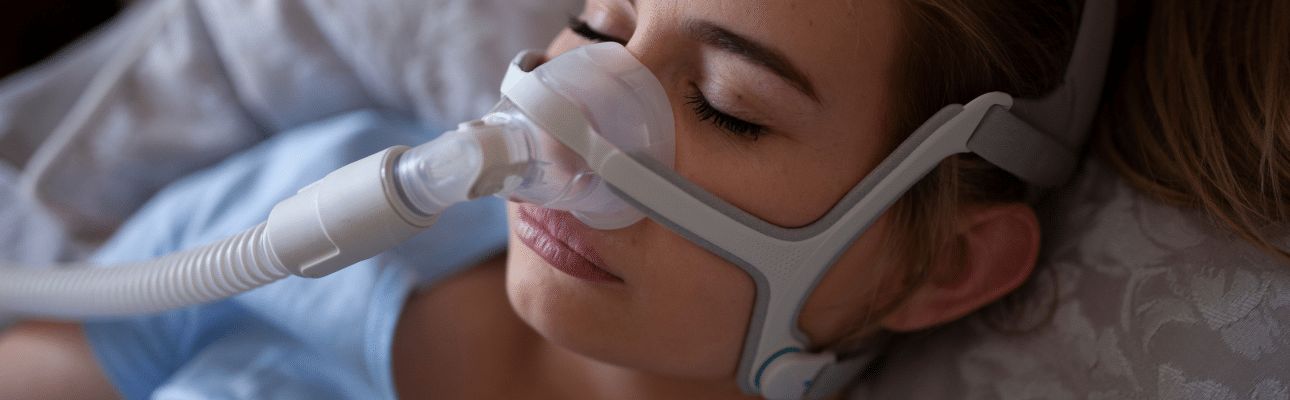
Sleep Apnea And Oral Health
Getting a night of good quality sleep is essential to your general health and can prevent bad breath, periodontal disease, or mouth ulcers. However, sleep apnea can cause other health issues, including bruxism, mouth breathing, and TMJ disorder.
Bruxism
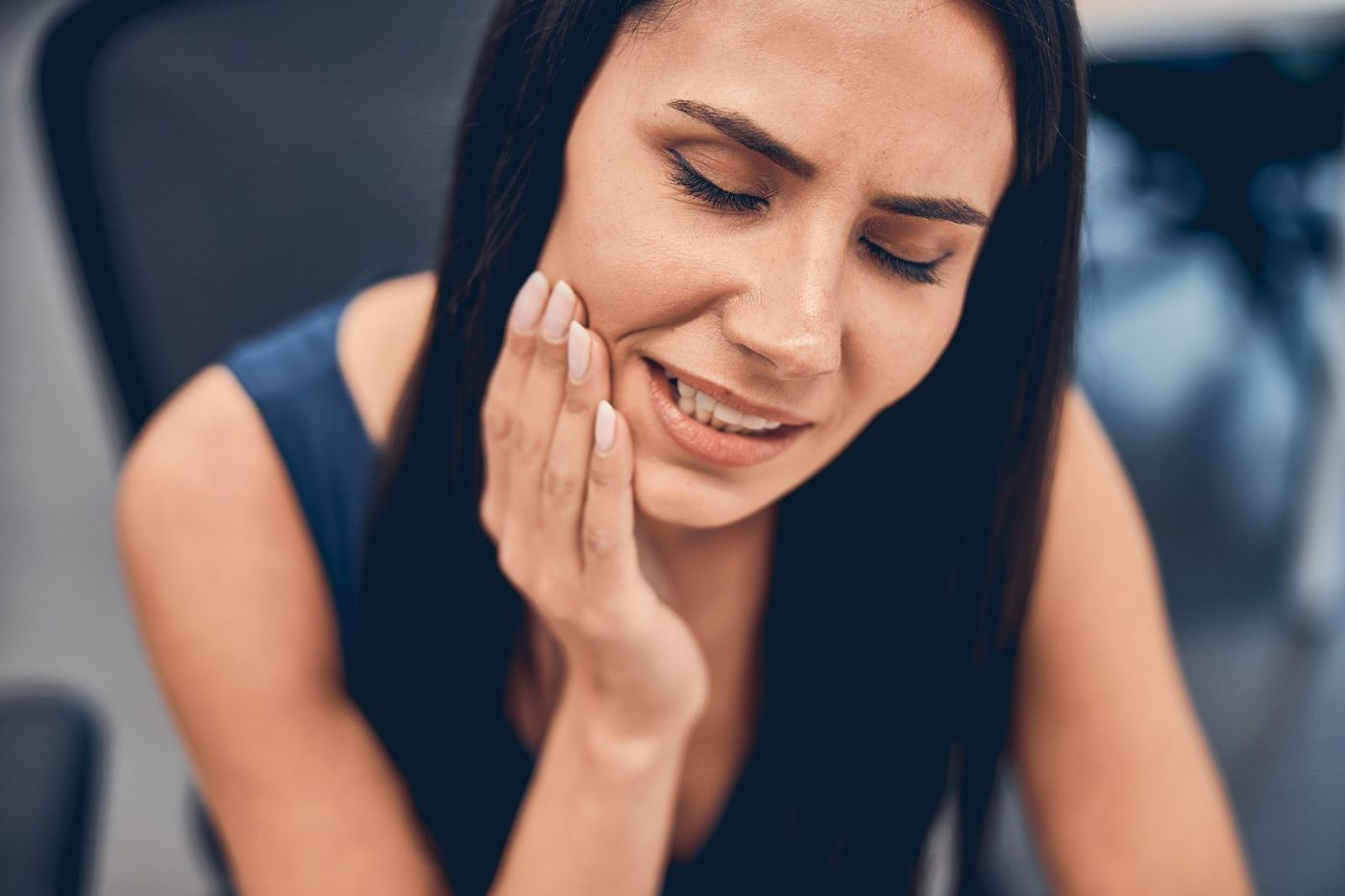
The term used for teeth grinding or jaw clenching is bruxism. Although people clench their jaw or grind their teeth during the day, it is most common while sleeping. This can cause jaw pain, headaches, and fatigue.
Grinding your teeth or clenching your jaw at night can cause damage to the enamel creating a higher risk for tooth decay, cavities, breakage, or tooth loss. In addition, those with sleep apnea who grind their teeth are increasing their risk of bruxism and should regularly visit the dentist.
Mouth Breathing
Sleep apnea can sometimes force people to breathe through their mouth instead of their nose, which can contribute to tooth decay, dry mouth, plaque, mouth sores, or gum disease. Ensuring you sleep with your mouth closed to avoid these oral issues is essential.
TMJ
TMJ, short for a temporomandibular joint disorder, is related to sleep apnea as the upper and lower jaw can become linked. Sleep apnea can contribute to causing TMJ, which can result in jaw pain, headaches, neck pain, shoulder tension, locked jaw, or chewing issues. Those who suffer from sleep apnea are more susceptible to TMJ disorder.
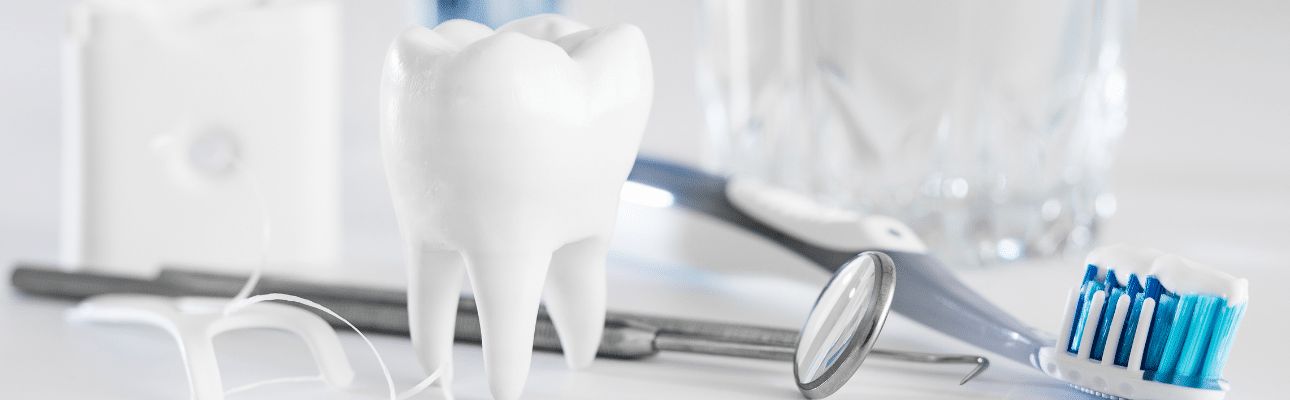
Not only can sleep disorders affect your natural health, but they can also cause issues for your oral health, such as teeth grinding, mouth breathing, and jaw pain. These issues can lead to gum disease, tooth decay, cavities, and more. Therefore, it is essential for those who suffer from sleep apnea to not only find solutions from their doctors but to regularly visit the dentist to ensure their teeth maintain good health. Dentistry Thirty-Two offers regular check-ups and teeth cleaning services; visit our website to learn more.
Dentistry Thirty Two serves patients from Maple Ridge, Pitt Meadows, Mission, Port Coquitlam, Port Moody, Langley and the surrounding Fraser Valley.