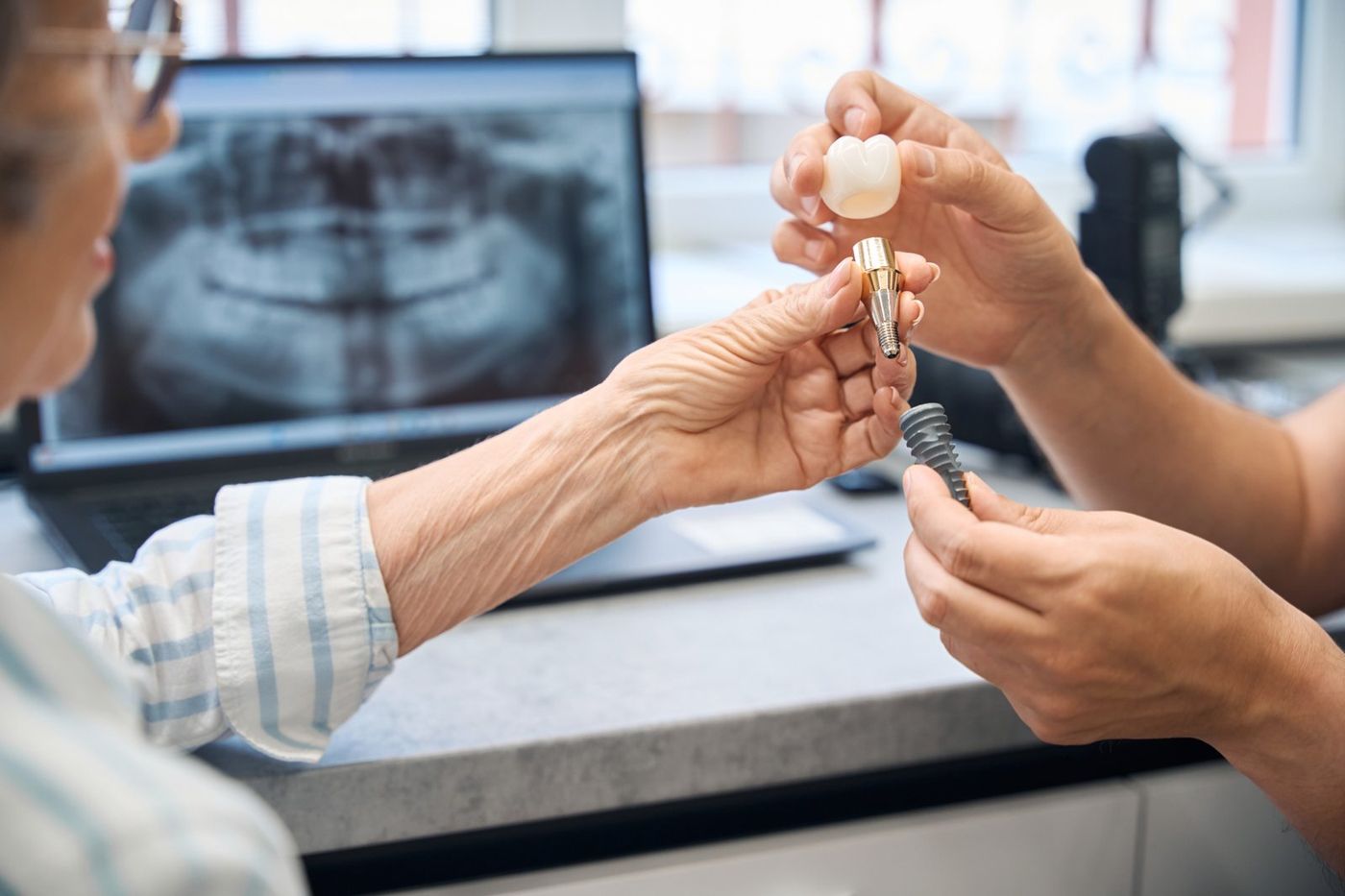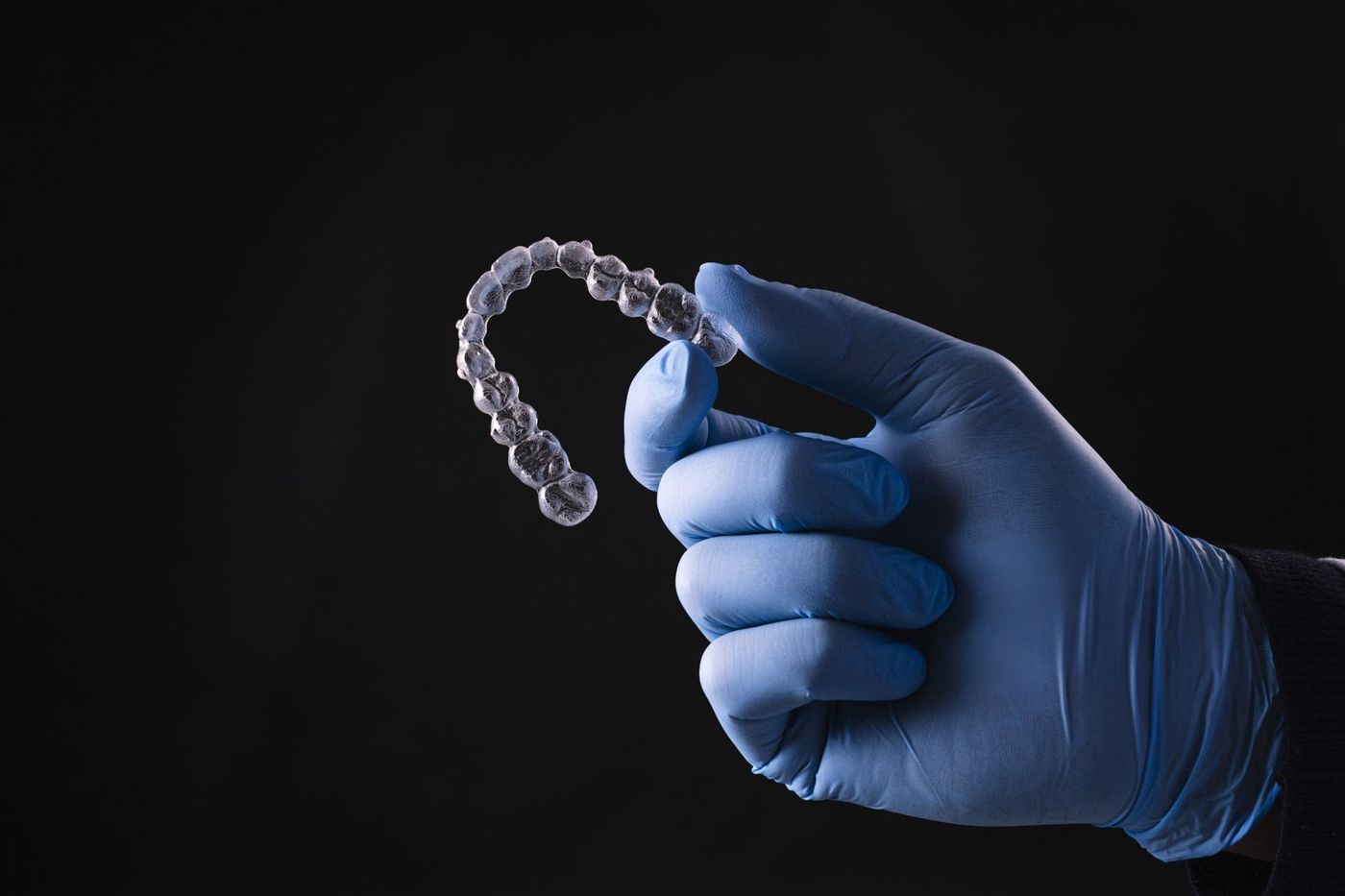
A dental crown is a cap placed over a tooth to restore its shape, strength and function. It is recommended for specific clinical situations — not as a default response to any problem. Here are the situations where a crown is genuinely the right answer.
After a root canal
Root canal treatment removes the nerve and blood supply from inside a tooth, which makes the tooth more brittle over time. Back teeth in particular bear significant chewing forces — without a crown to protect the structure above the gumline, root-canal-treated back teeth are at high risk of cracking. A crown is almost always recommended after root canal treatment on a molar or premolar.
When a filling is no longer adequate
A filling is an appropriate restoration when the remaining healthy tooth structure can support it. When decay, or a failed old filling, has removed so much tooth structure that a new filling would be at risk of fracture or failure, a crown provides full-coverage protection.
The decision between a filling and a crown is partly about how much tooth remains and partly about where the forces of chewing are concentrated. Your dentist will typically show you the clinical images and explain the reasoning.
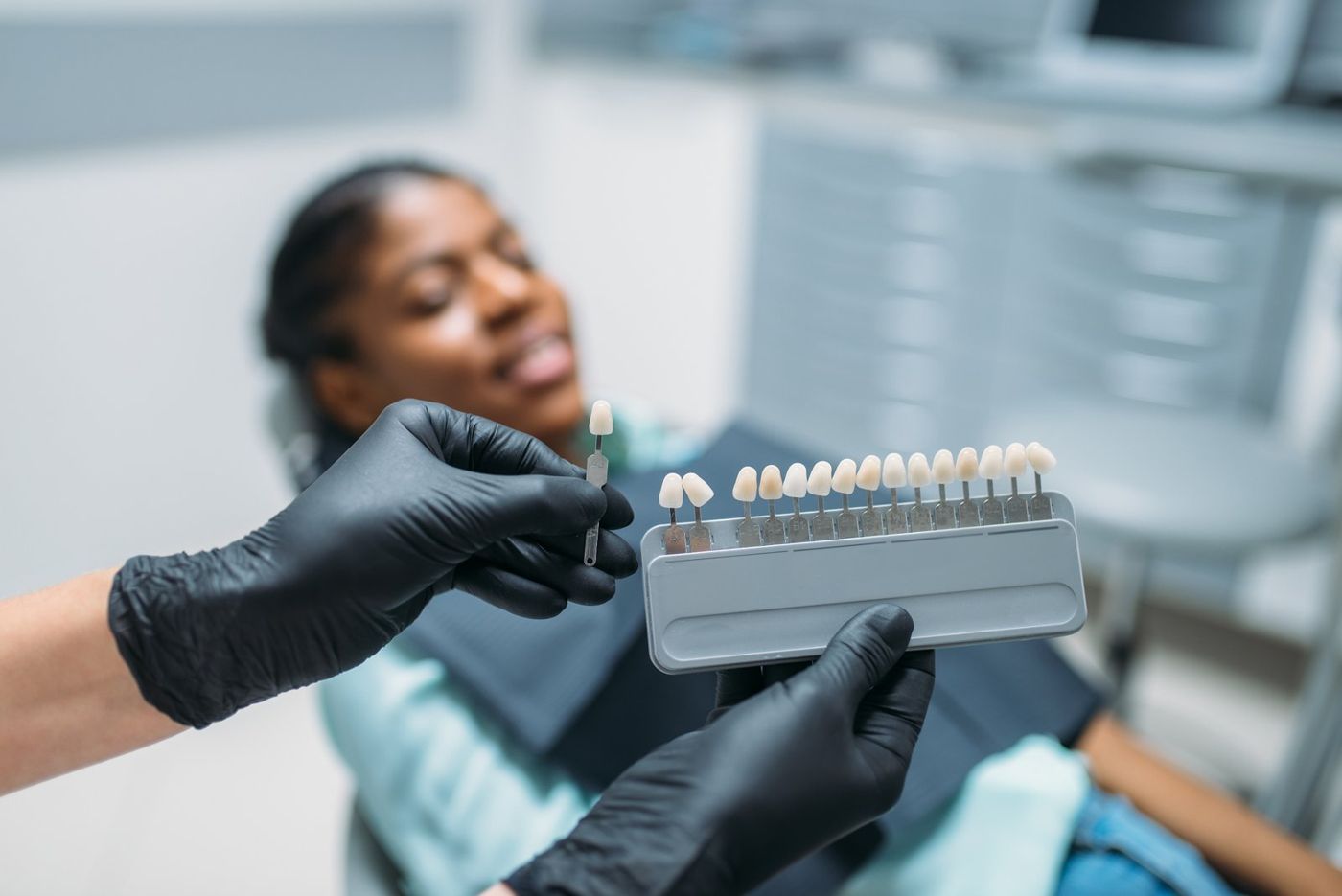
Cracked or fractured tooth
A cracked tooth is one of the more complex situations in dentistry. Cracks that cause sharp pain when chewing — particularly pain that resolves immediately when pressure is released — are often structural cracks that are difficult to visualize directly but detectable with clinical testing.
A crown splints the tooth together, preventing the crack from propagating further under chewing forces. If a crack extends below the gumline, the prognosis changes — which is why prompt assessment of cracked tooth symptoms matters.
Severely worn teeth
Acid erosion, bruxism (teeth grinding) and long-term wear can reduce tooth height significantly. When enamel loss is severe enough that function is compromised — difficulty chewing, sensitivity affecting quality of life, or cosmetic concern — crowns can restore tooth height and protect remaining structure.
A nightguard is often part of the treatment plan to protect the crowns from the same forces that wore down the natural teeth.
If you are experiencing sensitivity, pain when chewing, or you can see changes in a tooth's shape, book an assessment at Dentistry Thirty Two. A thorough examination with digital X-rays gives us a clear clinical picture before any recommendation is made. Call 604.380.3200.
Dentistry Thirty Two serves patients from Maple Ridge, Pitt Meadows, Mission, Port Coquitlam, Port Moody, Langley and the surrounding Fraser Valley.